
Why control insects?
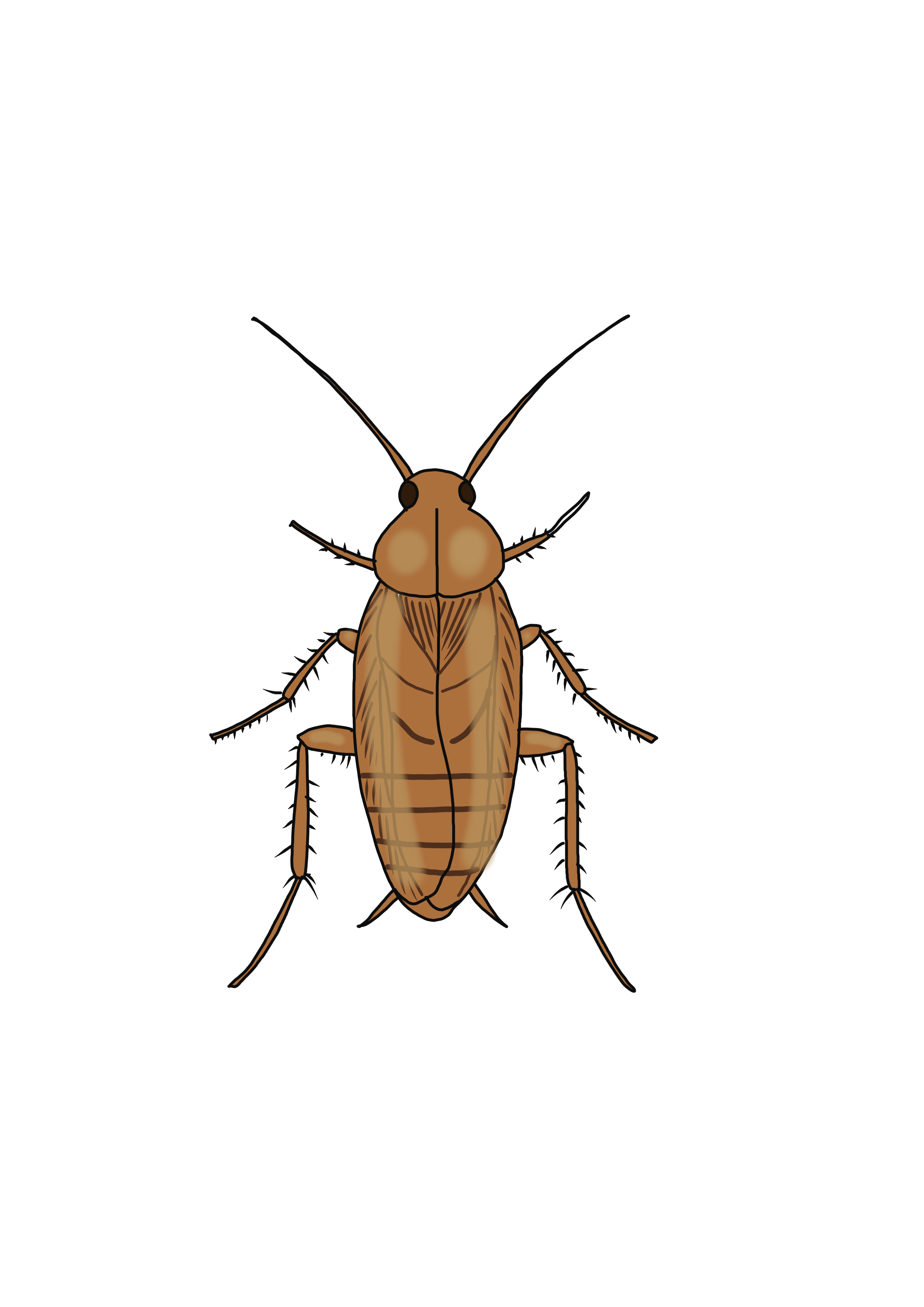
Insect control in the UK plays a vital role in protecting public health, maintaining hygiene standards, safeguarding businesses, and preventing damage to property and stored products. Common pests insects such as flies, cockroaches, ants, fleas, bedbugs, and stored product insects can spread bacteria and contaminate food preparation areas, posing serious risks to homes, workplaces, hospitality venues and food related businesses.
Under UK legislation, including the Food Safety Act 1990, Health and Safety at Work Act 1974, and relevant environmental and wildlife regulations, property owners and businesses have a responsibility to maintain clean and pest-free premises. Effective insect management is particularly important within commercial kitchens, food storage facilities, healthcare settings, and rental properties, where infestations can lead to health hazards, reputational damage, financial loss, and legal consequences.
Responsible insect control should always follow an integrated pest management (IPM) approach, combining prevention, monitoring, sanitation, proofing, and targeted treatments where necessary. All control methods must comply with UK pesticide regulations and environmental protection guidelines to minimise the risks to people, pets, beneficial insects, and the wider ecosystem. By following current legislation and industry best practice, insect control can be carried out safely, effectively, and responsibly while supporting public health and environmental sustainability.