
Why control rodents?
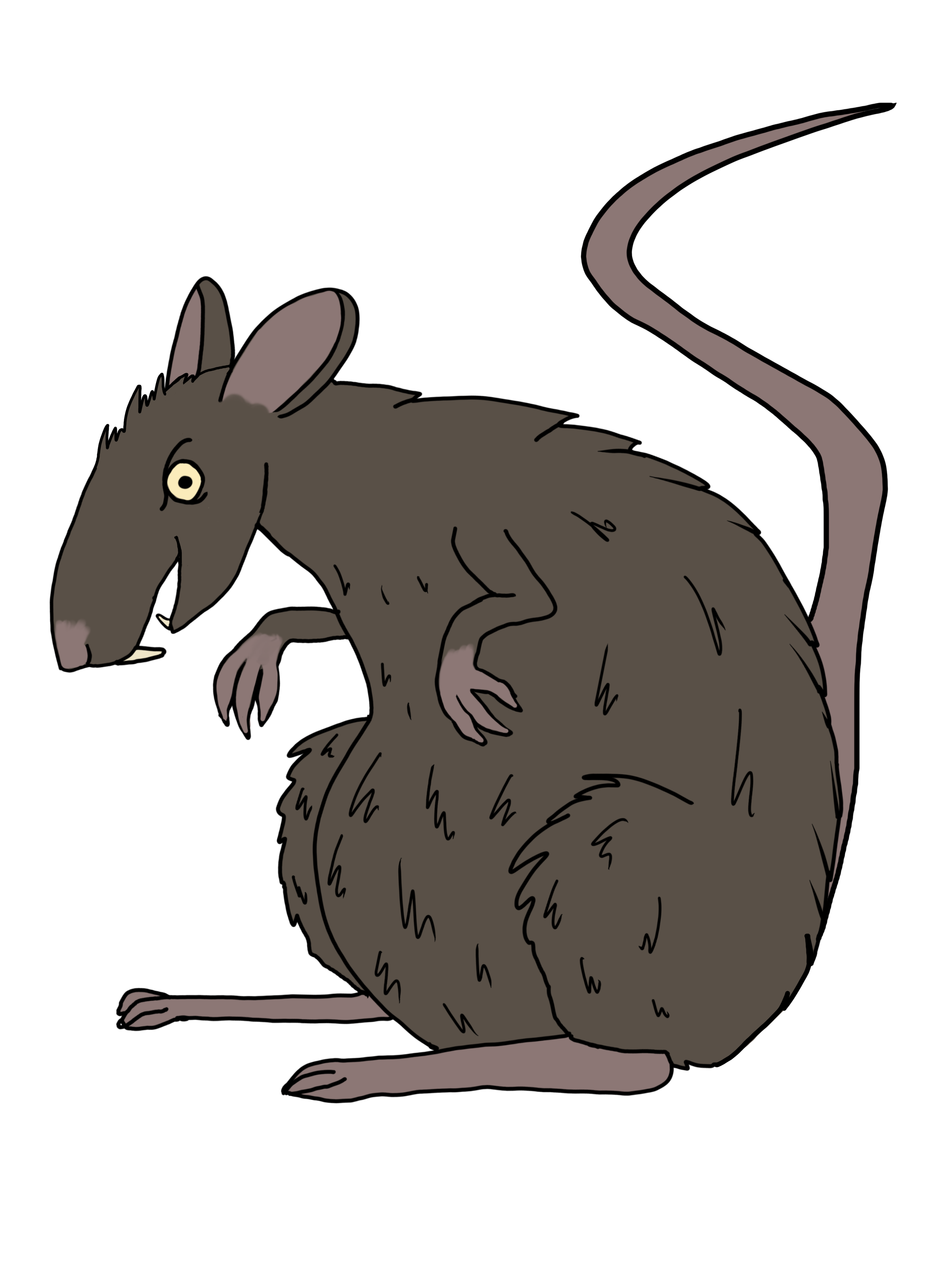
Rodent control in the UK is essential for protecting public health, safeguarding property, preserving food hygiene standards, and supporting environmental protection. Rats and mice can spread harmful diseases such as leptospirosis, salmonella, and hantavirus through their urine, droppings, and contamination of food preparation areas. They can also cause significant structural damage by gnawing electrical wiring, insulation, pipework, and timber, increasing the risk of fires and costly repairs.
Under UK legislation, including the prevention of Damage by Pests Act 1949, property owners and occupiers have a legal responsibility to keep land and premises free from conditions that may attract rodents. In addition, all pests control activities must comply with the Wildlife and Countryside Act 1981, the Animal Welfare Act 2006, and current pesticide and environmental regulations. These laws ensure that rodent control is carried out safely, humanely, and with minimal impact on non-target species and the wider environment.
Responsible rodent management involves prevention, monitoring, proofing, sanitation, and where necessary, the careful and lawful use of control methods. Following best practise and UK wildlife legislation helps protect people, animals, businesses, and ecosystems while maintaining high standards of public health and safety.